
Why SEO Is Important for an Ecommerce Website (And Where to Start)

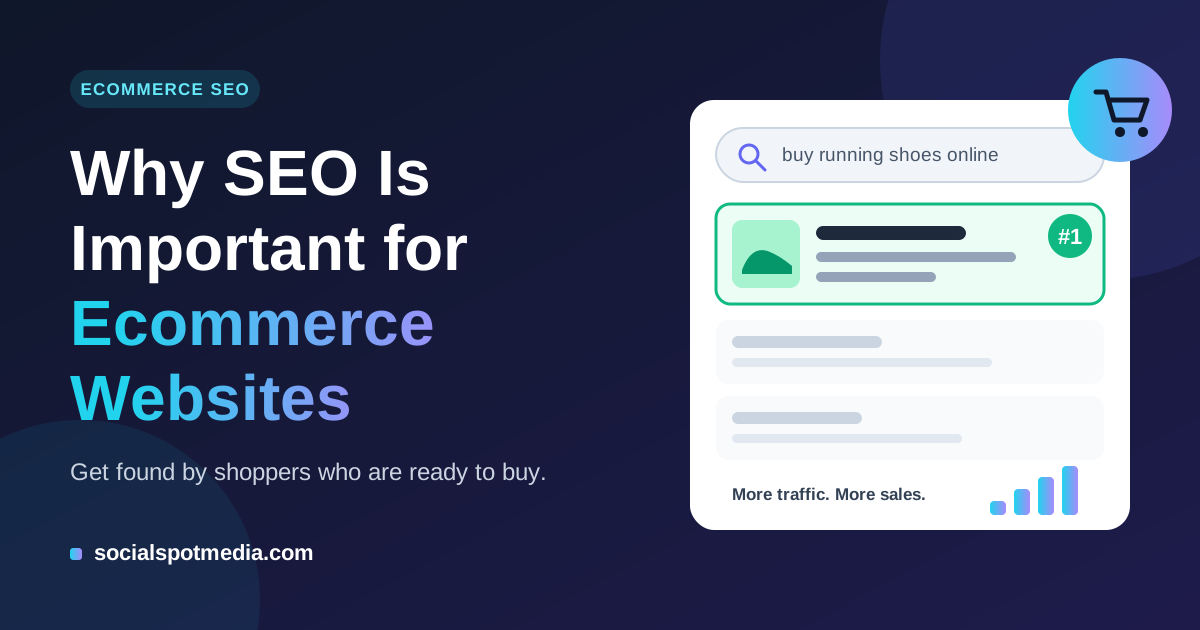
You can have great products and a beautiful store, but if shoppers can’t find you on Google, they can’t buy from you. That is exactly why SEO is important for an ecommerce website: it brings in buyers who are already searching for what you sell.
This guide explains what SEO does for an online store, the key areas to focus on, and how to get started without a huge budget.
What Is Ecommerce SEO?
Ecommerce SEO (search engine optimization) is the process of improving your online store so it shows up higher in search results. That includes your product pages, category pages, site structure, and content.
When someone searches “waterproof hiking backpack” and your product page appears near the top, that is SEO working for you. If you want a team to handle it, our ecommerce SEO service is built for exactly this.
Why SEO Is Important for an Ecommerce Website
Here are the biggest reasons SEO deserves a spot in your marketing plan.
1. It Brings in Shoppers Who Are Ready to Buy
People who search on Google usually have a need right now. Someone typing “buy organic dog treats online” is much closer to purchasing than someone scrolling social media.
SEO puts your store in front of these shoppers at the moment they are looking.
2. It Lowers Your Cost Per Customer Over Time
Paid ads stop the moment you stop paying. SEO works differently. A well-optimized product page or guide can keep bringing visitors for months or years.
That doesn’t mean ads are bad. Pay-per-click advertising is great for quick results, while SEO builds steady traffic in the background. The two work well together.
3. It Builds Trust and Credibility
Shoppers tend to trust stores that show up on the first page of Google. Ranking well signals that your store is established and relevant.
Add clear product descriptions, real reviews, and fast loading pages, and that trust grows even more.
4. It Helps You Compete With Bigger Brands
You may not be able to outspend large marketplaces on ads. But you can outrank them for specific, detailed searches.
For example, a big retailer may rank for “running shoes.” Your store can win “lightweight running shoes for flat feet.” These longer searches (called long-tail keywords) are easier to rank for and often convert better.
5. It Improves the Shopping Experience
Good SEO and good user experience go hand in hand. Fast pages, clear navigation, mobile-friendly design, and helpful product information keep visitors on your site and make them more likely to buy.
If your site feels slow or clunky, a website design and development refresh can support your SEO efforts too.
The Key Parts of Ecommerce SEO
You don’t have to do everything at once. Focus on these four areas first.
Keyword Research for Product and Category Pages
Start by finding the words your customers actually use. Think about what they type when they are comparing, researching, and ready to buy.
Then match keywords to pages:
- Category pages: broader terms like “women’s leather handbags”
- Product pages: specific terms like “black leather crossbody bag”
- Blog posts: question-style terms like “how to clean a leather bag”
On-Page Optimization
Each important page should have a clear title tag, a meta description, a descriptive URL, and a heading that includes the main keyword.
Product descriptions matter too. Skip the manufacturer’s copy-and-paste text. Write original descriptions that answer buyer questions about size, materials, use, and care. Our content writing team can help if you have hundreds of products.
Technical SEO
Technical SEO is how well search engines can crawl and understand your store. Online stores often run into problems like:
- Duplicate pages created by filters and sorting options
- Slow-loading product images
- Broken links to out-of-stock products
- Missing structured data (the code that helps Google show prices and ratings in results)
If you’re not sure where your store stands, our technical SEO service can find and fix these issues. A SEO audit is a smart first step because it shows you exactly what to prioritize.
Content and Link Building
Blog posts, buying guides, and comparison pages help you reach shoppers earlier in their journey. They also give other websites a reason to link to you.
Those links act like votes of confidence. Quality link building helps your store build authority and rank higher over time.
A Simple Ecommerce SEO Checklist
Use this list to get started this week:
- Pick one keyword for each main category page.
- Rewrite weak or duplicate product descriptions.
- Add descriptive alt text to your product images.
- Compress images so pages load faster.
- Fix broken links and redirect discontinued products.
- Make sure your site works smoothly on mobile.
- Publish one helpful guide that answers a common customer question.
Small, steady improvements add up. You don’t need to finish everything in a single month.
Common Ecommerce SEO Mistakes to Avoid
- Using manufacturer descriptions: Dozens of other stores use the same text, which makes it hard to stand out.
- Ignoring category pages: These often have the best chance to rank for high-value searches.
- Deleting old product pages: Redirect them to a similar product or category instead so you keep the traffic.
- Chasing only big keywords: Competitive terms are tough. Mix in specific, lower-competition searches.
- Skipping the data: Check Google Search Console regularly to see which pages are performing and which are not.
How SEO Fits Into Your Bigger Marketing Plan
SEO works best alongside your other channels. Social media builds awareness, email brings customers back, and ads give quick wins. SEO ties them together by creating a steady base of traffic.
To see how everything fits, explore our full ecommerce marketing approach. And if you’d like to see real results from other brands, browse our case studies.
Conclusion: Start Making SEO Work for Your Store
Ecommerce SEO is important because it brings in ready-to-buy shoppers, lowers your long-term marketing costs, builds trust, and levels the playing field with bigger brands. The earlier you start, the sooner those benefits start to build.
Not sure where to begin? Check out our SEO packages or contact us for a conversation about growing your online store.